Colorization is a visual interpretation, not a recovery of original color
Color can make an unfamiliar portrait of an ancestor feel more immediate. But vivid colors and natural-looking skin do not prove that the image matches the original scene. Black-and-white photographs record brightness and tone. Without an original color photo, reliable written records, or other physical clues, the exact color of clothing, eyes, or walls usually cannot be uniquely recovered from grayscale.
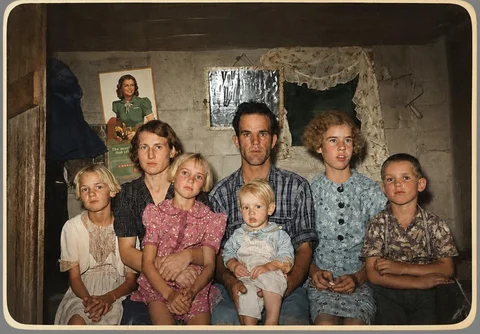
AI generates possible colors from faces, clothing, backgrounds, and common image patterns. It may give a uniform a familiar military color, turn grass green, or favor a particular skin tone. The result can look reasonable and pleasing while still being wrong for the person, period, or place.
The Smithsonian Institution Archives notes, in its discussion of faded color photographs, that unpredictable color change can make an objective return to original colors impossible. Digital treatment may aim to show the photograph as it exists, estimate how it once looked, or create a more pleasing presentation. The same is true of colorizing a black-and-white image: decide on the goal and be candid about uncertainty.
Gather clues beyond the photograph first
If you want the result to connect with a family memory, collect context instead of aiming only for something that “looks real”:
- People and time: Approximate date, people’s ages, where they lived, and their occupations at the time.
- Clothing and objects: Color photos of the same outfit, uniform references, family-owned objects, or trustworthy descriptions.
- Setting and season: Indoor or outdoor setting, regional plants, holiday decorations, or background details that can be cross-checked.
- Sources: Which details come from a relative’s own memory, written records, or photos from the same period—and which remain guesses.
Clues are not there to make an AI guess more confidently. They help you see what is supported and what is not. If you have only a grayscale portrait, do not treat a precise clothing or eye color as known fact.
How to review a colorized result
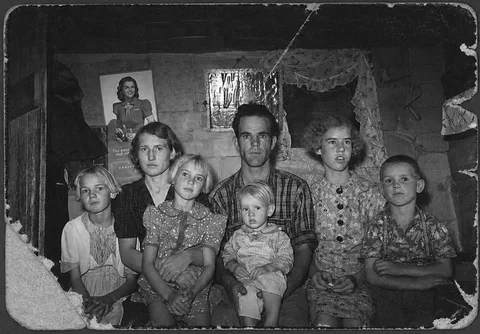
Compare it side by side with the original black-and-white scan. First check that outlines, expression, hairstyle, and clothing edges remain intact. Then look for color bleeding: skin tinted into the background, colored halos around glasses or hair, an unnaturally pure-white shirt, or a uniform and badge that the model has “completed” without evidence.
Do not choose a version only because its colors look more beautiful. Reddish skin, excessive saturation, or a uniformly green background may be striking but less respectful of the photograph. Lower saturation if needed, or keep the black-and-white image as the primary record and the colorized version as another way for family to view and discuss it.
Label the colorized version
Keep the original black-and-white scan, any repaired-but-uncolored copy, the colorized version, and a short note. For example:
AI-assisted colorization. No source has been found to verify the uniform color; the background and skin tone are visual estimates. The original black-and-white scan is stored separately.
This does not diminish the image. It helps future family members distinguish what was in the photograph from what was added later. If the image is used in an exhibition, publication, or research, disclose the colorization and reconstruction in its caption so viewers do not mistake it for an original color photograph.
A more careful family workflow
- Scan and save the original safely.
- Record people, dates, places, and the sources of clues; mark anything unknown.
- Repair obvious scan issues before colorizing, so you do not stack too many changes at once.
- Zoom in on faces, clothing edges, and background details and compare them with the black-and-white original.
- Save the colorized version separately, disclose AI involvement, and never overwrite the original.
The grayscale in a black-and-white photograph is worth keeping; colorization offers another way to look at it. Both versions can coexist. Making uncertainty clear is often more valuable than making the colors look certain.