A faded portrait
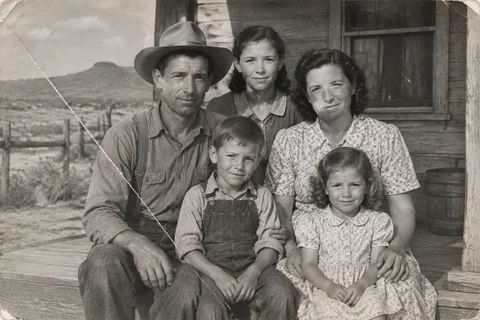
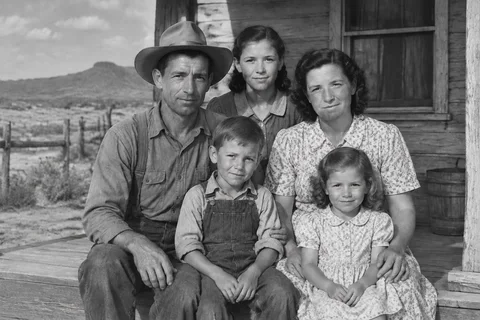
Public-domain portrait with simulated patchy fading from age and light exposure. AI restoration uses this faded input.
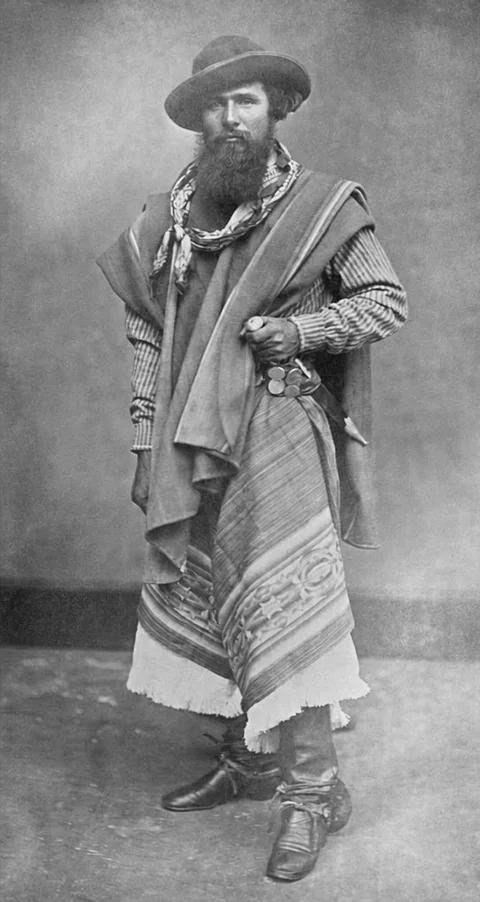
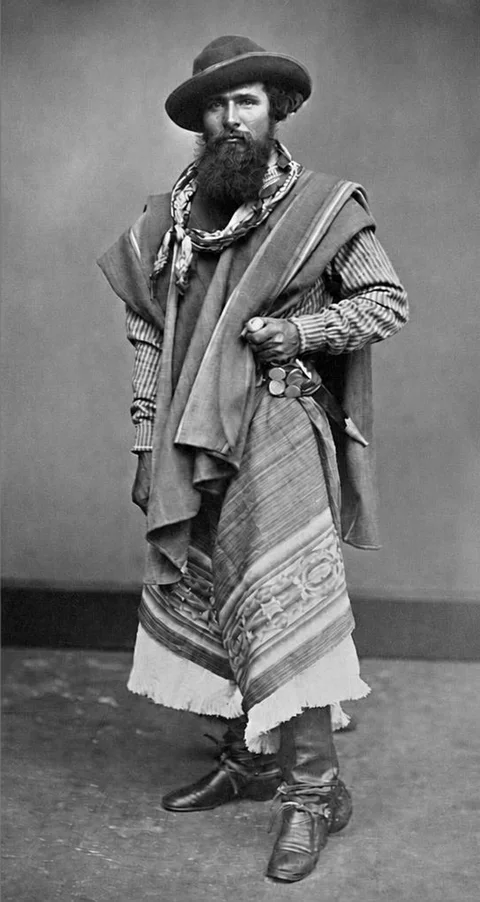
Compare the eyes, beard and hat edge. Clearer contrast does not prove that facial details are more accurate.
Compare original and restored images across public-domain photographs and generated scenes. Explore scratches, creases, fading and missing details.
These reference cases show the balance we aim for: clearer detail, repaired damage, and the same familiar people.
Public-domain studies and generated scenes show simulated damage and AI repair. Results vary by photo.
Public-domain portrait with simulated patchy fading from age and light exposure. AI restoration uses this faded input.


Compare the eyes, beard and hat edge. Clearer contrast does not prove that facial details are more accurate.
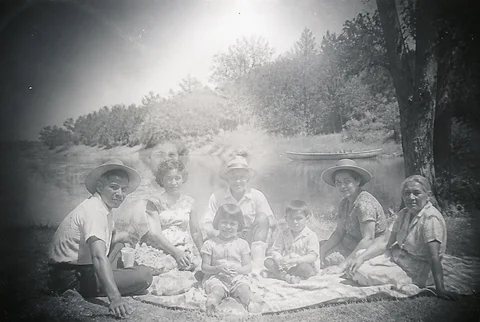
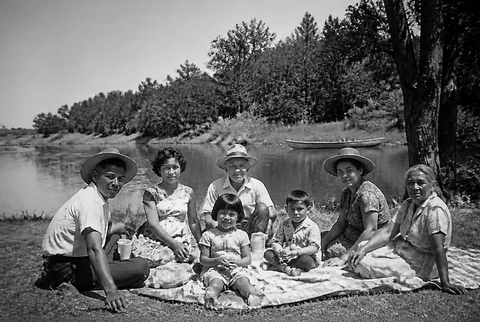
AI-generated 1940s American family scene with simulated scratches and creases. The repair was generated from this damaged image.


Compare the faces, hands and clothing across the fold. Reconstructed details are interpretations.
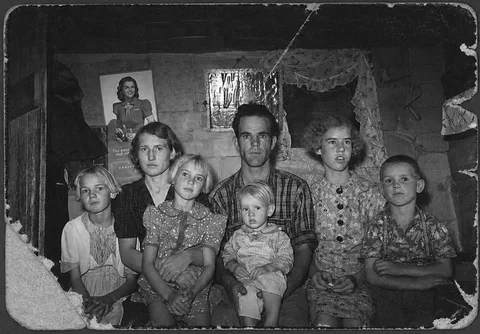
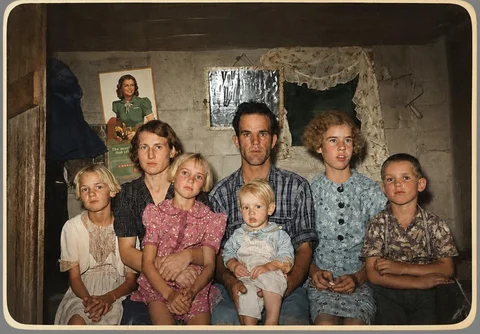
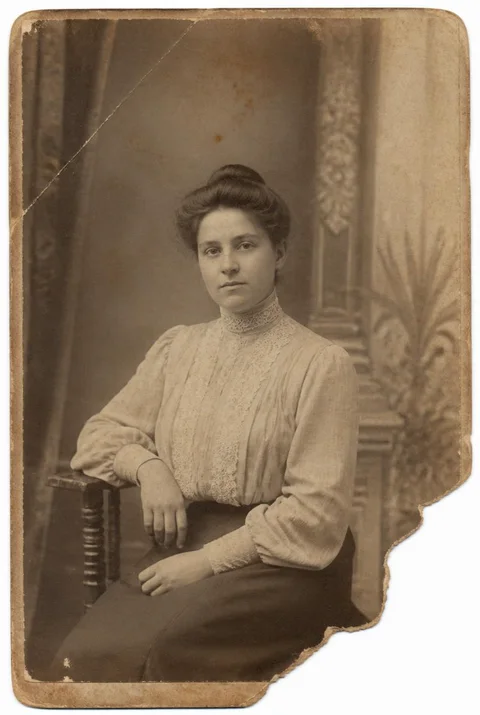
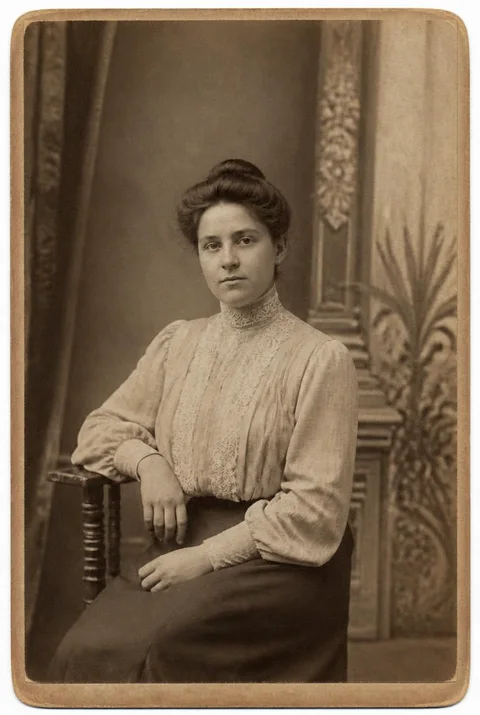
Public-domain photo with simulated irregular edge tears and paper loss. Color and rebuilt areas are AI interpretations.


Inspect the torn edges, small faces and poster lettering. A plausible repair can still change a person or invent a detail.
Generated samples used to exercise the restoration flow across black-and-white and color photographs, solo portraits and group scenes.


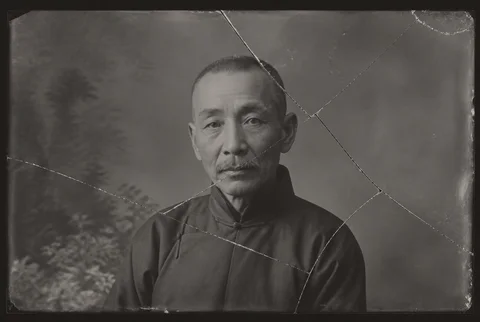
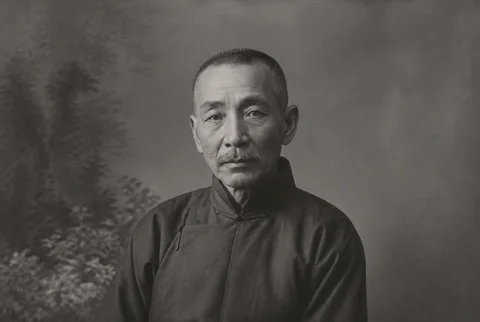
Diagonal cracks, chips, dust, and damaged borders were repaired while keeping the monochrome studio portrait intact.
Generated test sample · for restoration QA

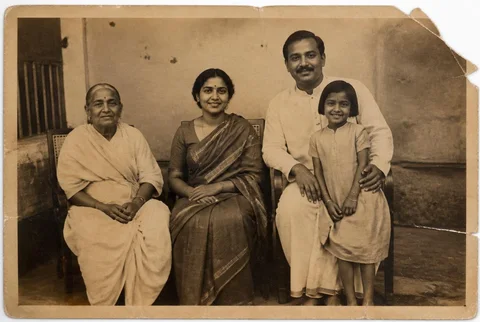
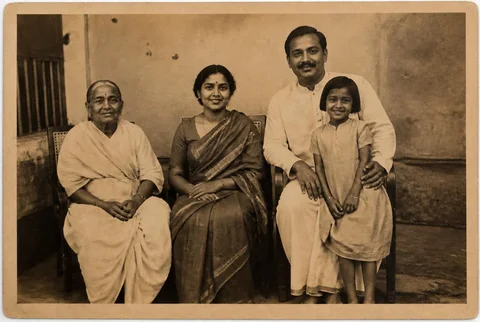
The torn corner, frayed edges, creases, and fading were repaired while preserving the original sepia look.
Generated test sample · for restoration QA

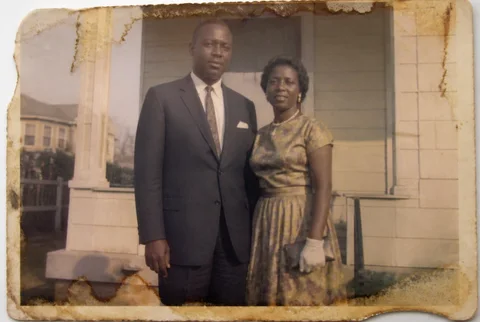
Brown stains, mold freckles, curled corners, and color shift were reduced without changing the couple or porch setting.
Generated test sample · for restoration QA

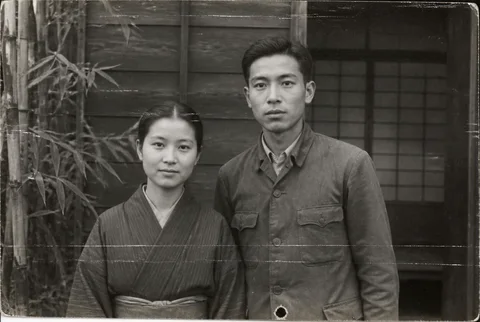
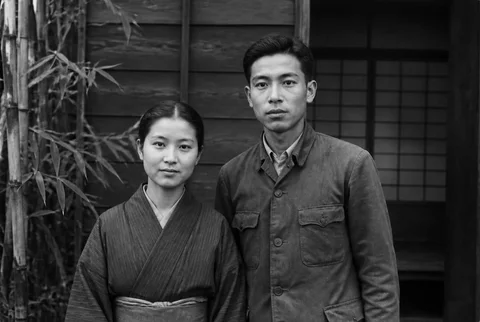
Horizontal scratches, dust, a puncture, and edge abrasion were repaired while preserving the period setting and clothing.
Generated test sample · for restoration QA

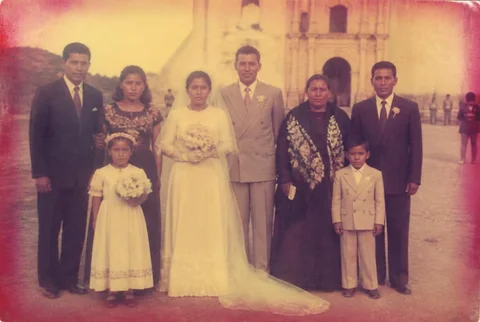
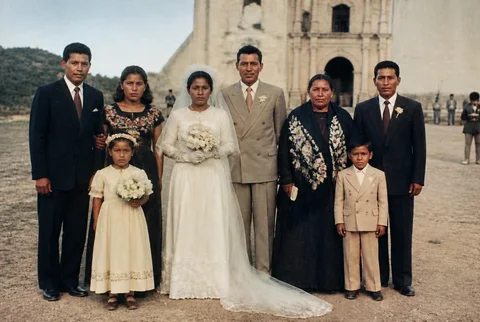
Faded color, red dye bleed, fingerprints, and edge damage were corrected with a restrained period palette.
Generated test sample · for restoration QA

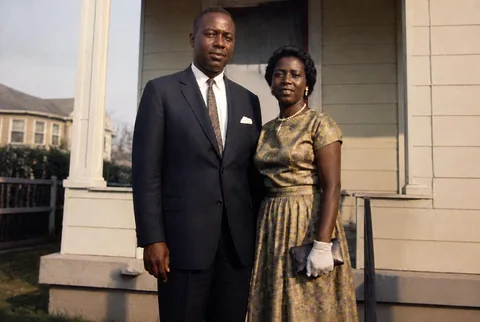
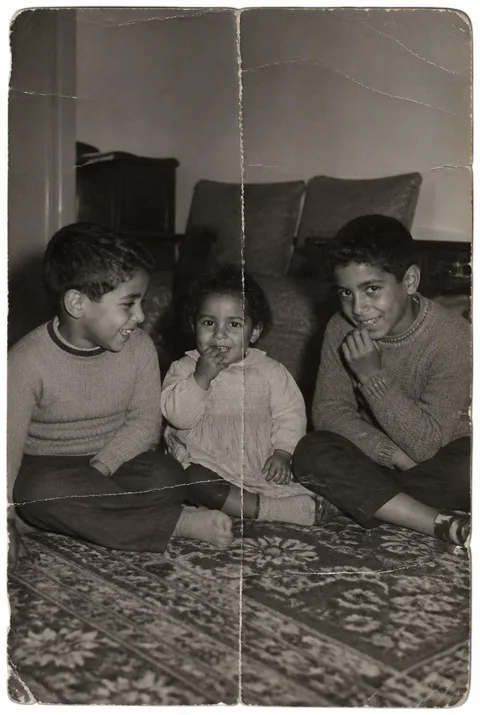
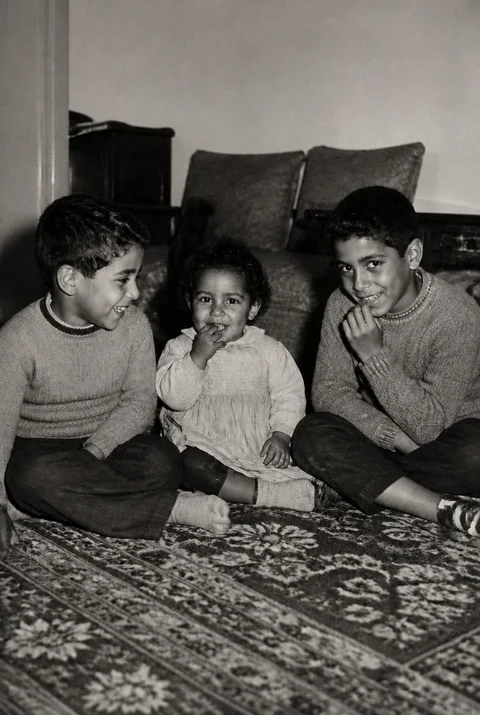
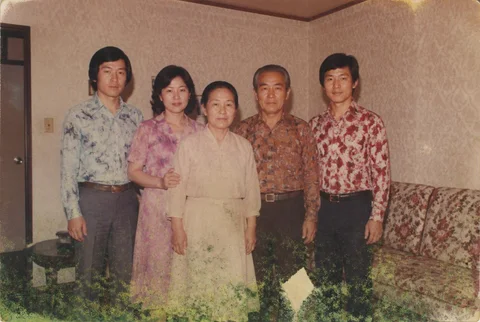
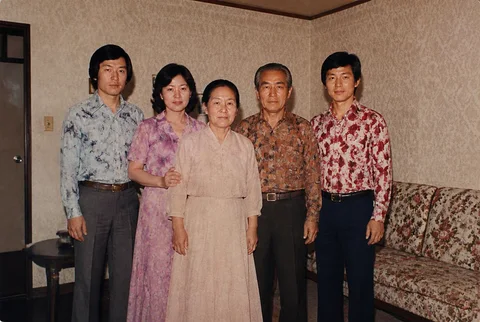
A deep center fold, horizontal creases, and edge abrasion were removed from this 1960s family snapshot.
Generated test sample · for restoration QA

Mold spots, yellowing, color blotches, and a missing emulsion patch were repaired across the family print.
Generated test sample · for restoration QA

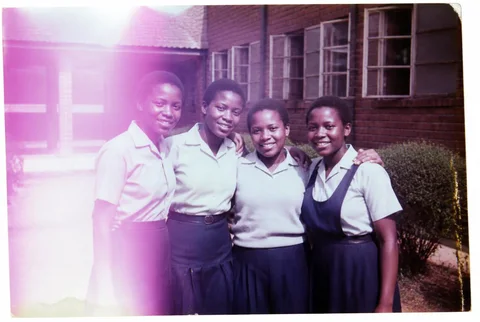
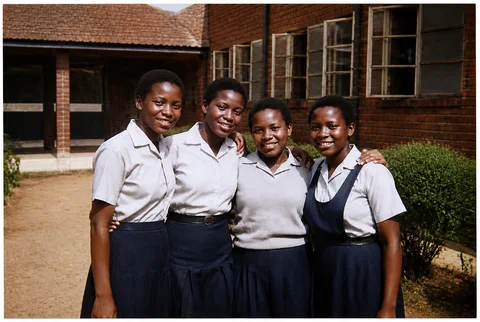
Magenta bleed, a bright light leak, uneven exposure, and edge curling were corrected in this 1980s snapshot.
Generated test sample · for restoration QA

The missing lower-right paper area, chipped border, foxing, and crease were reconstructed in sepia.
Generated test sample · for restoration QA

Sun bleaching, silver mirroring, dust, and faint double exposure were reduced across this 1950s group photo.
Generated test sample · for restoration QA

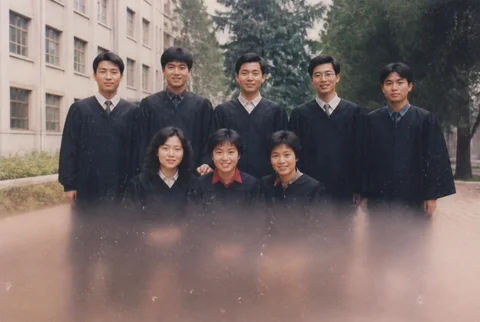
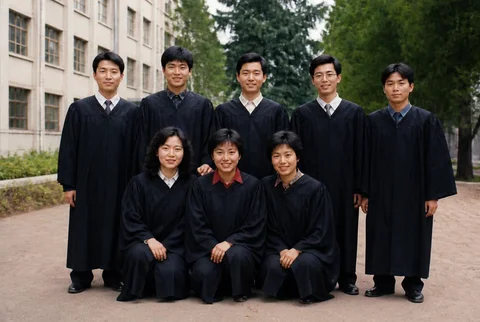
Dust, lint, lower-frame blur, and print abrasion were cleaned up while keeping the campus scene and gowns unchanged.
Generated test sample · for restoration QA

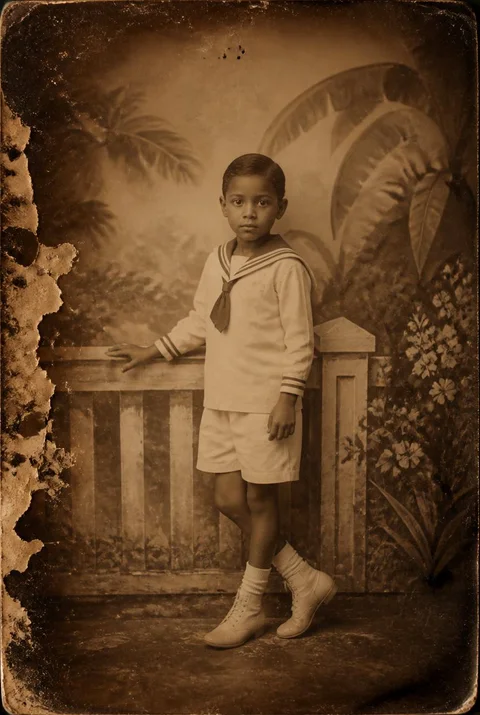
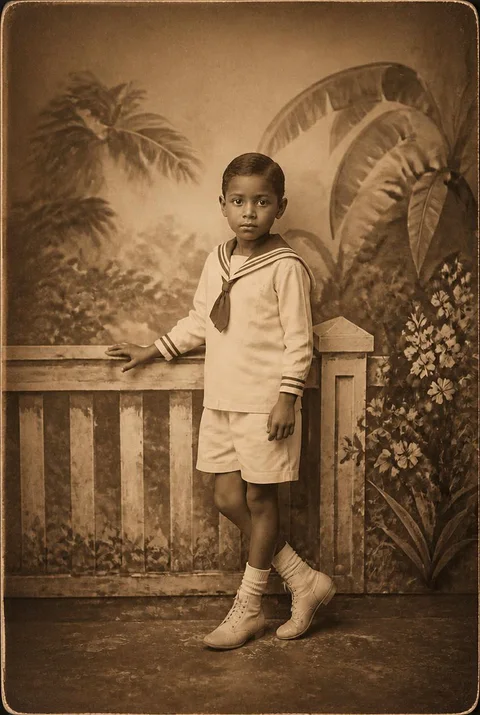
Emulsion peeling, pinholes, fine cracks, and darkened corners were repaired without colorizing the sepia portrait.
Generated test sample · for restoration QA